

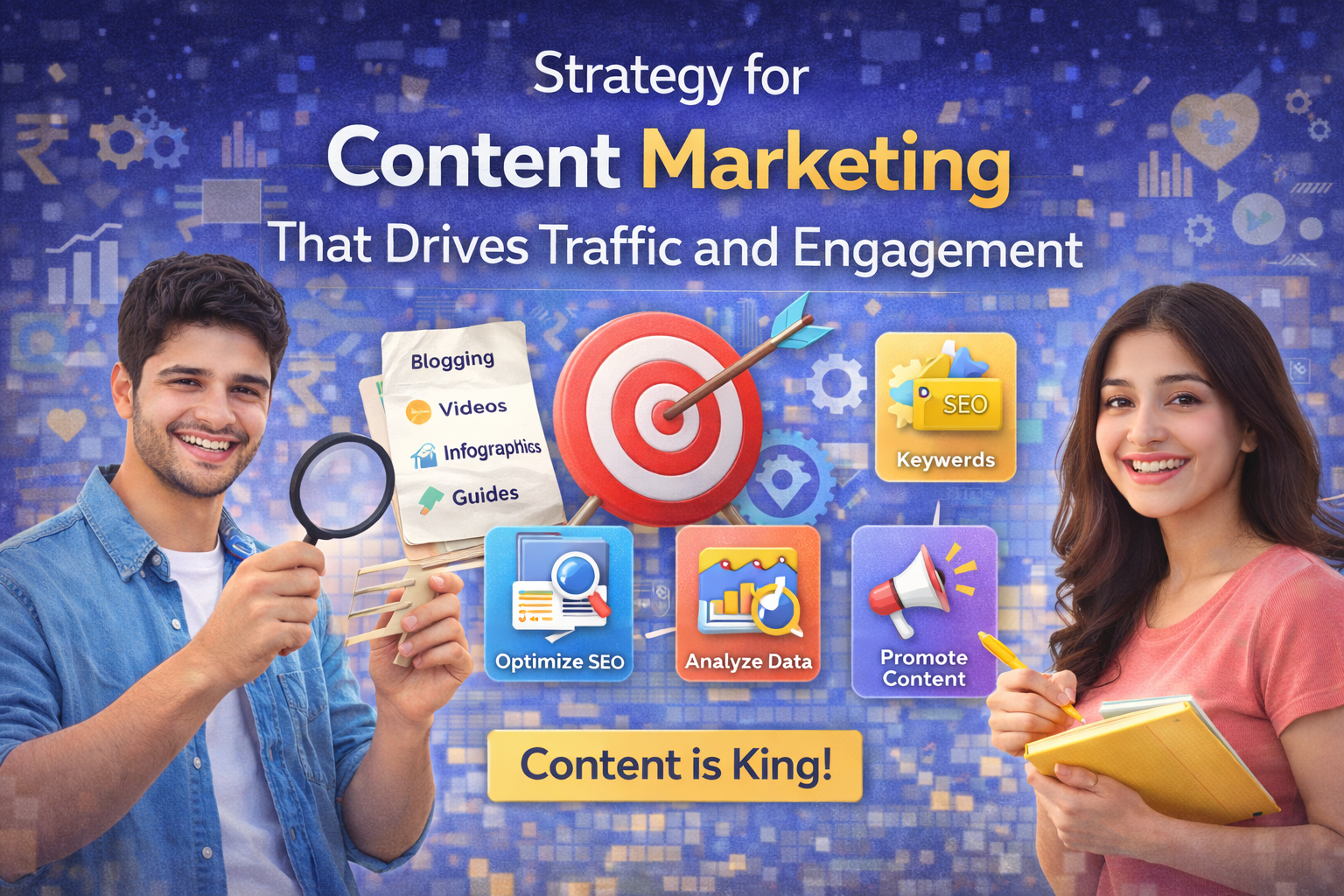
In today’s digital landscape, businesses cannot rely solely on traditional marketing to attract customers. The power of content has transformed how brands interact with their audiences. A well-planned strategy for content marketing is essential for driving traffic, increasing engagement, and ultimately converting visitors into loyal customers. In this article, we will explore a comprehensive approach to crafting a content marketing strategy that not only resonates with your audience but also enhances your brand’s online visibility.
Understanding Content Marketing
Before diving into strategies, it’s important to understand what content marketing truly is. Content marketing is the creation and distribution of valuable, relevant, and consistent content to attract and retain a clearly defined audience. Unlike traditional advertising, content marketing focuses on providing useful information to your audience rather than pushing a hard sell.
The primary goal of content marketing is to build trust and authority in your niche. When your audience perceives your brand as a reliable source of information, they are more likely to engage with your content and make purchasing decisions.
Importance of a Content Marketing Strategy
Having a content strategy is not just about posting blogs or social media updates randomly. It is about planning, executing, and measuring content in a way that aligns with your business objectives. A strong strategy for content marketing offers several benefits:
- Increased Website Traffic: By producing high-quality content optimized for SEO, you can attract organic traffic from search engines.
- Higher Engagement: Engaging content encourages users to interact, share, and comment.
- Brand Authority: Consistent, informative content positions your brand as an expert in your field.
- Lead Generation: Valuable content can convert visitors into leads through forms, downloads, and subscriptions.
- Customer Retention: Educational or entertaining content helps maintain long-term relationships with existing customers.
Steps to Develop a Successful Strategy for Content Marketing
Creating a content marketing strategy involves several steps. Let’s break them down to make them easier to understand and implement.
1. Define Your Goals
The first step in any successful strategy for content marketing is identifying your goals. These goals will guide all your content decisions. Common objectives include:
- Increasing website traffic
- Boosting social media engagement
- Generating leads or sales
- Improving brand awareness
- Educating your audience
Make sure your goals are specific, measurable, achievable, relevant, and time-bound (SMART). For instance, “increase organic traffic by 25% in six months” is a clearer target than simply “increase traffic.”
2. Identify Your Target Audience
A strategy without a clear audience is like shooting arrows in the dark. Understanding your target audience is critical to creating content that resonates. Develop detailed buyer personas that include:
- Demographics (age, gender, location)
- Interests and hobbies
- Pain points and challenges
- Online behavior and content preferences
Knowing your audience allows you to craft content that addresses their needs and keeps them engaged.
3. Conduct a Content Audit
If you already have existing content, perform a content audit. Analyze which content pieces are performing well, which need improvement, and what gaps exist. A content audit helps you:
- Identify content that can be repurposed
- Find topics that resonate with your audience
- Remove outdated or low-performing content
This ensures that your strategy for content marketing builds on a strong foundation.
4. Keyword Research and SEO
To drive organic traffic, your content must be discoverable on search engines. Keyword research is a crucial step in a content marketing strategy. Use tools like Google Keyword Planner, SEMrush, or Ahrefs to identify keywords that:
- Your audience is searching for
- Are relevant to your business
- Have achievable competition levels
Integrate your primary keyword (strategy for content marketing) naturally into your content. Aim for around 1% keyword density to maintain readability and SEO benefits.
5. Plan Your Content Types
Content comes in many forms, and a diverse content mix can boost engagement. Popular types include:
- Blog Posts: Great for educating your audience and improving SEO.
- Videos: Highly engaging and shareable on social media platforms.
- Infographics: Effective for simplifying complex information.
- Case Studies: Build credibility by showcasing success stories.
- Podcasts: Reach audiences who prefer audio content.
- Ebooks and Whitepapers: Useful for lead generation through gated content.
Your choice of content types should align with both your goals and your audience’s preferences.
6. Create a Content Calendar
Consistency is key in content marketing. A content calendar helps you plan and schedule content effectively. Include:
- Publishing dates
- Content topics and formats
- Target keywords
- Responsible team members
A calendar ensures that your strategy for content marketing stays organized and maintains a consistent posting schedule.
7. Craft High-Quality Content
The core of your content marketing strategy is high-quality content. Here’s how to ensure your content is engaging:
- Address Pain Points: Solve problems your audience faces.
- Use Clear Headlines: Grab attention and summarize the content.
- Add Visuals: Images, charts, and videos improve readability.
- Include Calls to Action: Guide readers toward desired actions.
- Maintain a Human Tone: Write conversationally to connect with readers emotionally.
8. Promote Your Content
Creating great content is not enough; you need to actively promote it. Use a combination of:
- Social Media: Share content on platforms where your audience is active.
- Email Marketing: Send newsletters and updates.
- Influencer Collaboration: Partner with industry influencers to reach new audiences.
- Paid Ads: Boost content reach through targeted advertising.
Promotion amplifies the impact of your strategy for content marketing and ensures your content reaches the right people.
9. Measure and Analyze Performance
Without tracking performance, you won’t know if your strategy is working. Use analytics tools like Google Analytics, SEMrush, or HubSpot to monitor:
- Website traffic and source
- Engagement metrics (likes, shares, comments)
- Conversion rates
- Keyword rankings
Regular analysis helps refine your strategy for better results over time.
10. Iterate and Improve
Content marketing is not static. Trends, audience preferences, and search engine algorithms evolve, so your strategy must adapt. Use the insights from your analytics to:
- Update outdated content
- Experiment with new formats
- Optimize underperforming pages
- Test different headlines and CTAs
Continuous improvement ensures your strategy for content marketing remains effective and relevant.
Common Mistakes to Avoid in Content Marketing
Even with a well-planned strategy, mistakes can reduce your content’s impact. Avoid these common pitfalls:
- Ignoring SEO: Even the best content won’t perform if it’s not optimized.
- Inconsistent Posting: Irregular content can lead to audience disengagement.
- Neglecting Audience Research: Content that doesn’t address audience needs will fail to engage.
- Focusing Only on Sales: Overly promotional content can turn readers away.
- Failing to Measure Results: Without data, you can’t improve your strategy.
Case Studies: Successful Content Marketing Strategies
Looking at real-world examples can provide inspiration:
- HubSpot: Known for their blogs, ebooks, and free tools, HubSpot drives massive organic traffic and leads through consistent, high-value content.
- Red Bull: Their content marketing focuses on extreme sports videos and storytelling, creating massive engagement and brand loyalty.
- Moz: By providing in-depth guides and SEO tools, Moz positions itself as an authority in digital marketing, attracting both traffic and trust.
These examples show that understanding your audience, providing value, and being consistent are key to a successful strategy for content marketing.
Conclusion
A well-executed strategy for content marketing is essential for modern businesses aiming to increase traffic, engagement, and conversions. By defining clear goals, understanding your audience, creating high-quality content, and continuously analyzing performance, you can build a content marketing plan that drives measurable results. Remember, content marketing is a long-term investment. Patience, consistency, and adaptation to trends are crucial for sustained success.
Investing in a strong strategy today ensures that your brand remains visible, trusted, and relevant in the ever-evolving digital landscape.